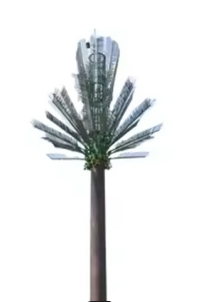
We specialize in the structural design of telecom towers, rooftop installations, mounts, non-structural and related infrastructure. Our team leverages industry-standard software such as RISA-3D, TNX Tower, and Open Tower to deliver accurate and efficient designs.
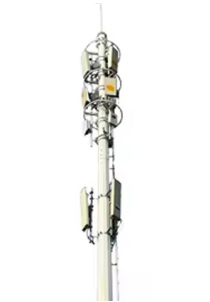
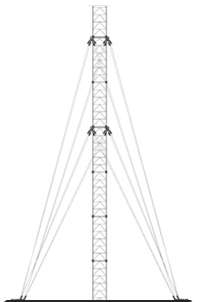
With a highly experienced and dedicated team, we are committed to completing projects within agreed timelines while maintaining the highest standards of quality and reliability. We are also well-versed in the design of amalgam towers such as Monopole, SST, Guyed, and Camouflaged towers, as well as lighting structures like street lights, traffic signals, and signage.
Main Components of a Telecom Tower
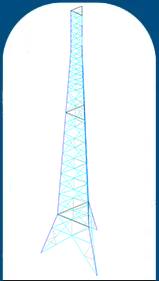
Tower Structure
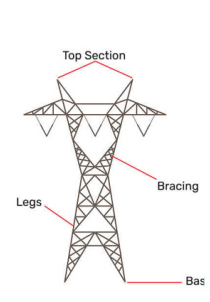
A tower structure is a vertical framework that supports telecom equipment and resists structural loads.
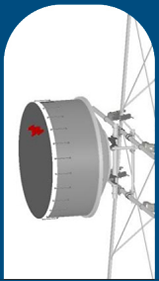
Tower Mount
A tower mount is a structural attachment system used to securely fix equipment such as antennas and microwave dishes.
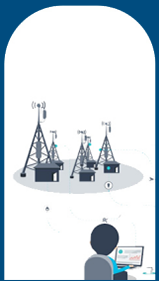
Wireless communication station
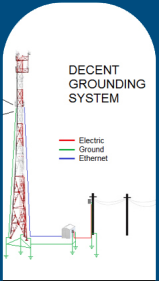
A wireless communication station is a secure shelter connected to a telecom tower that houses and protects electrical equipment, manages signal processing through feedlines, and supports the continuous operation of the tower.
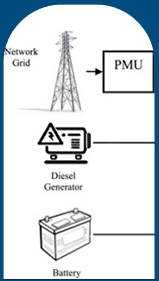
Power Supply and Generator
Power supply systems and generators provide reliable electrical power to telecom installations, such as antennas, dishes, etc., through wireless communication stations.
Feedlines and ladders
Cables deliver power and signals from the wireless communication station equipment to tower-mounted electrical equipment, while climbing ladders provide safe access for installation and maintenance.